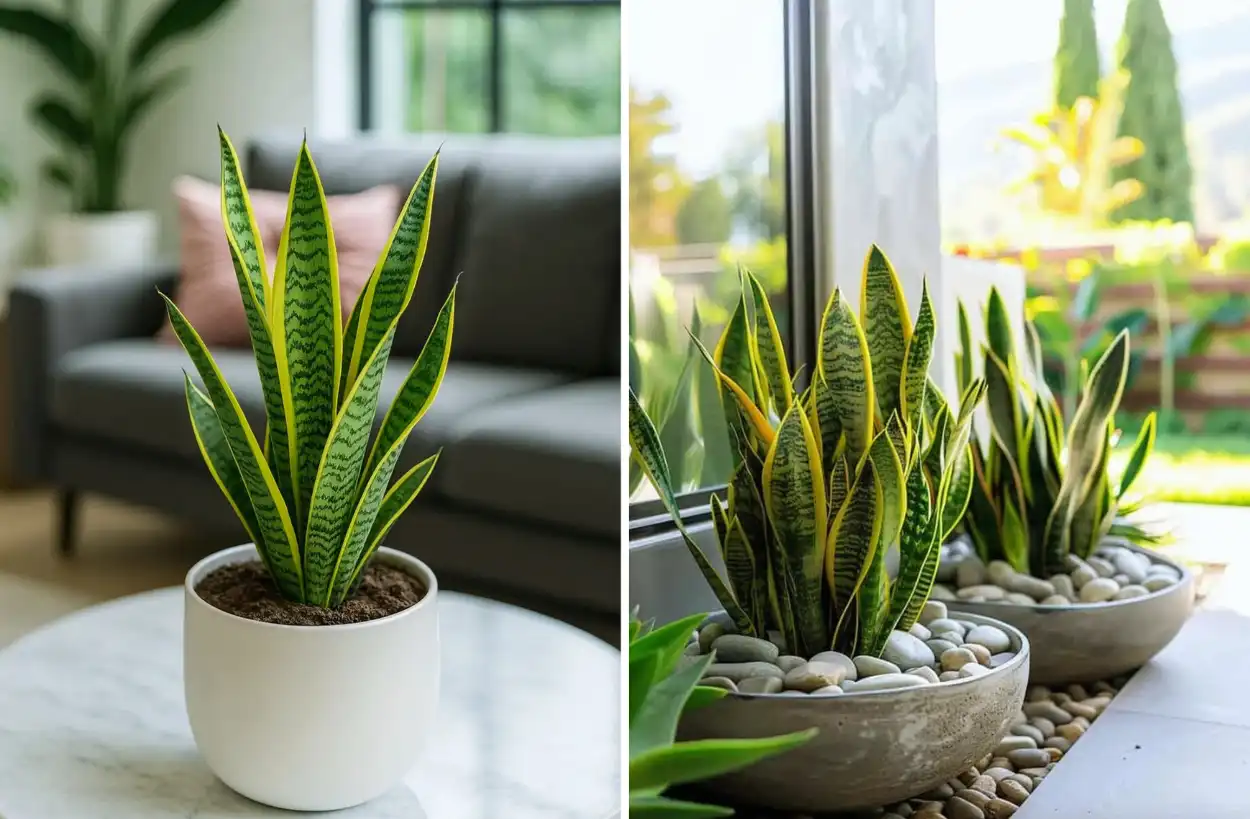
Snake plants are one of the easiest houseplants to keep alive, and watering is a big reason why. Unlike many tropical houseplants, snake plants have thick, fleshy leaves that store water, allowing them to tolerate dry conditions for long periods. The biggest mistake is usually giving them water too often.
So, how often should you water a snake plant?
As a general starting point, an indoor snake plant may need water every 2 to 3 weeks during the growing season and every 3 to 6 weeks in winter. But don’t follow the calendar too closely. The best time to water is when the soil has dried out completely or is very nearly dry.
Light, temperature, pot size, soil, and drainage can all change how quickly the soil dries. The Royal Horticultural Society recommends watering sansevierias only once the compost has dried and emphasizes that overwatering is one of the most common causes of problems.
| Snake Plant Profile | |
|---|---|
| Common Name | Snake plant, mother-in-law’s tongue |
| Botanical Name | Dracaena trifasciata |
| Former Botanical Name | Sansevieria trifasciata |
| Family | Asparagaceae |
| Plant Type | Evergreen succulent perennial |
| Mature Size | 2–4 ft. tall, depending on variety |
| Sun Exposure | Bright indirect light to low light |
| Soil Type | Well-draining |
| Watering | Allow soil to dry between waterings |
| Native Area | Tropical western Africa |
How Often to Water a Snake Plant
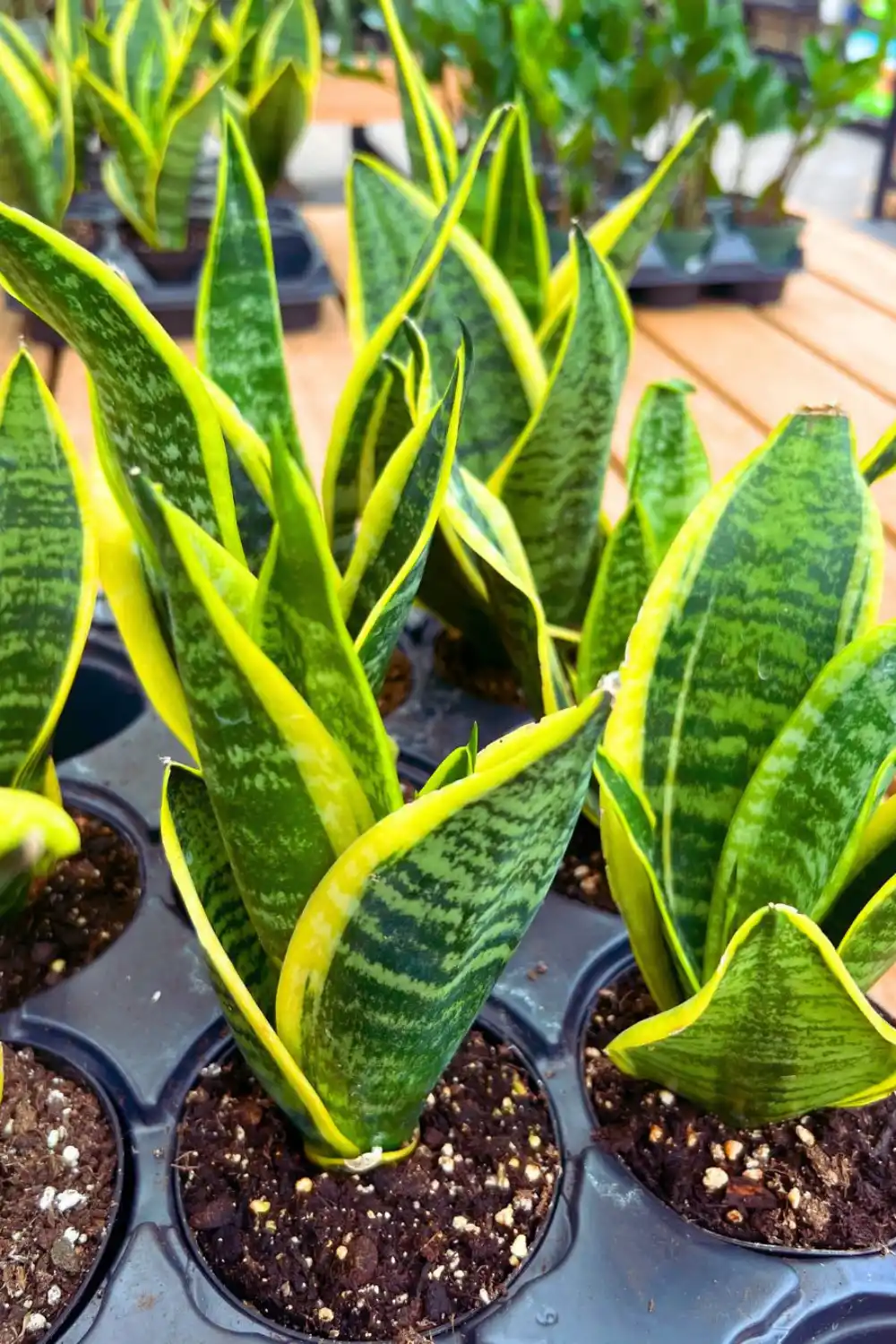
The simplest rule is: wait until the soil is completely dry before watering again.
For many indoor snake plants, this works out to approximately:
- Spring: Every 2–3 weeks
- Summer: Every 2–3 weeks, sometimes a little more often in very bright, warm conditions
- Fall: Every 3–4 weeks as growth slows
- Winter: Every 3–6 weeks, sometimes even less often in a cool, dim room
These are only starting points. A snake plant sitting in a bright, warm window can dry out much faster than one in a cool room with low light. A large pot can also stay wet for considerably longer than a small one.
Instead of asking, “Has it been two weeks?”, ask, “Is the soil dry?”
That’s a much better watering schedule for a snake plant.
How to Tell When Your Snake Plant Needs Water
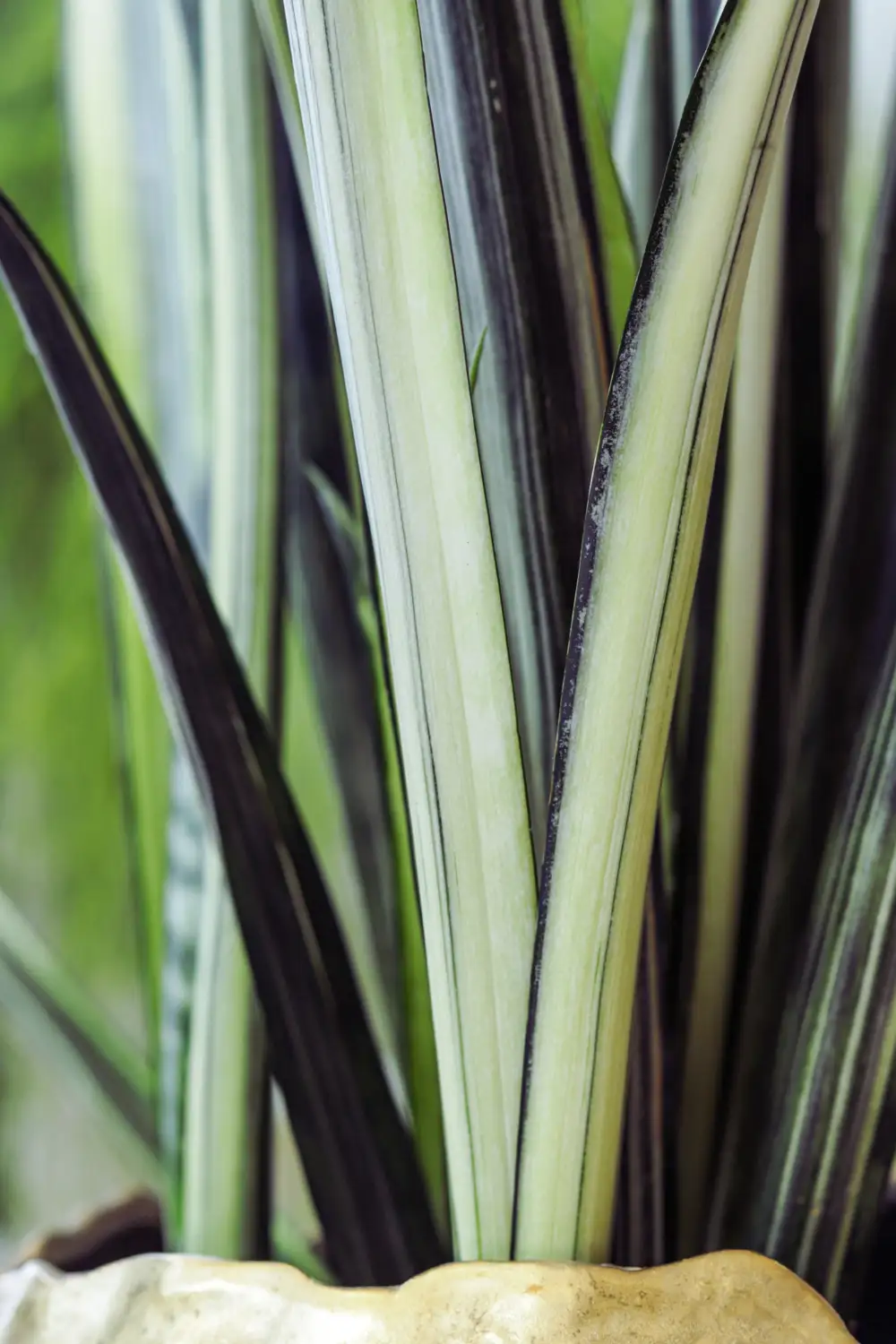
Before reaching for the watering can, check the soil.
Push your finger several inches into the potting mix. If you still feel moisture, wait. If the soil feels completely dry, it is generally time to water.
You can also lift the pot. A recently watered snake plant will feel noticeably heavier, while a dry pot will be much lighter.
Don’t rely entirely on the leaves. Snake plants can continue to look perfectly healthy even when the soil has become quite dry because their leaves store water.
The Soil Test
The easiest method is:
- Push your finger into the soil.
- Check several inches below the surface.
- If the soil is still damp, wait.
- If it is dry throughout the pot, water thoroughly.
- Let all excess water drain away.
Snake plants are drought-tolerant, so being a little late with watering is generally much less dangerous than watering while the soil is still wet.
How Much Water Does a Snake Plant Need?
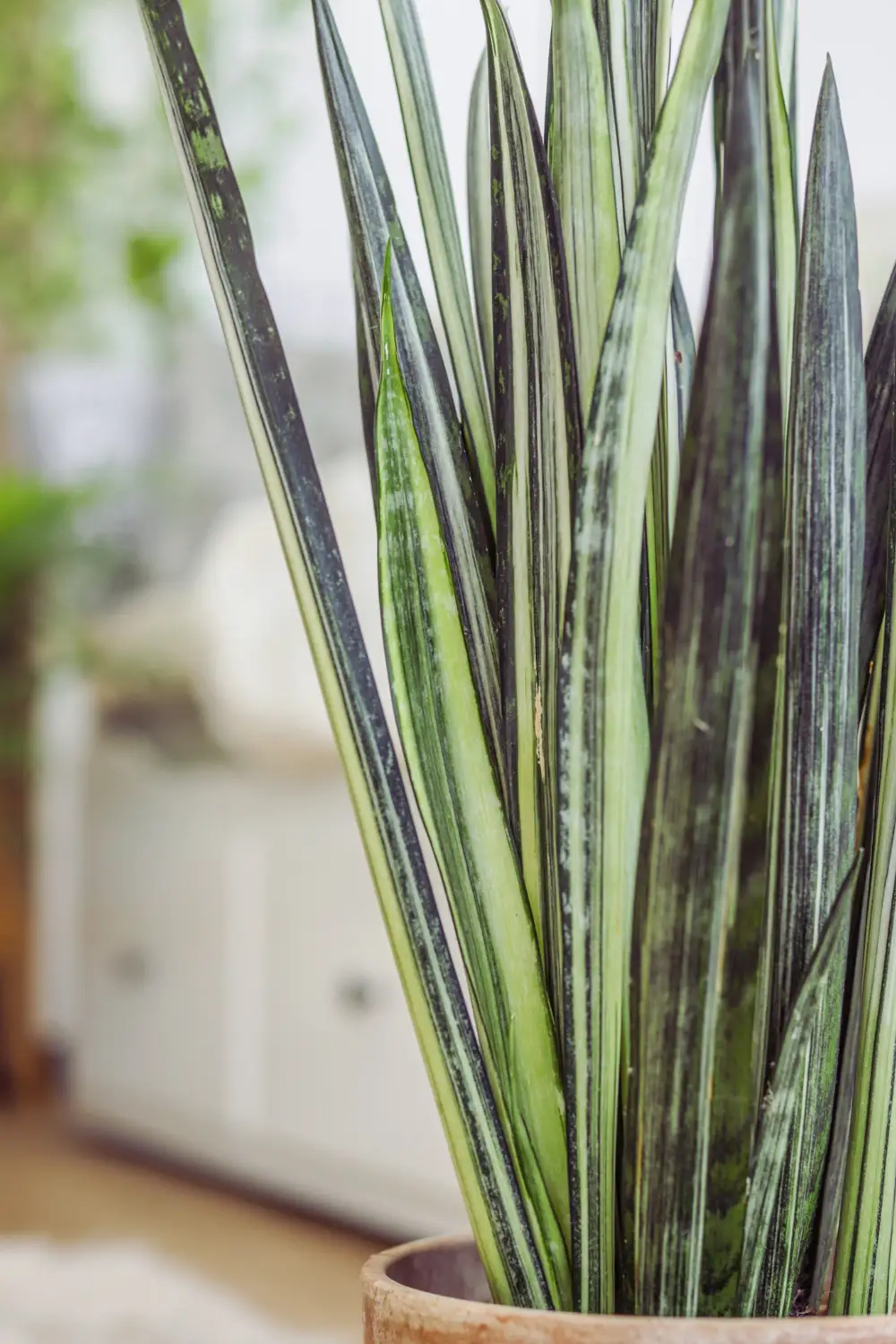
When it is time to water, don’t give the plant just a small splash.
Water the soil thoroughly until water begins to come out of the drainage holes. Then allow the excess water to drain completely.
Empty the saucer or decorative outer pot afterward. Snake plants should never be left sitting in water.
This is especially important because their roots are susceptible to rot when the soil remains wet for too long. The RHS specifically recommends allowing the soil to dry and pouring away excess water after watering.
A good watering routine is therefore:
Dry soil → thorough watering → complete drainage → wait for the soil to dry again.
Watering Snake Plants in Summer
Snake plants usually use more water during spring and summer because they have more light and are actively growing.
That doesn’t mean they suddenly need to be watered every few days.
For a typical indoor plant, every 2 to 3 weeks can be a reasonable starting point, but check the soil first.
A snake plant in a sunny, warm room may dry out sooner, while one several feet away from a window may remain damp for much longer.
If your plant’s soil is still wet after two weeks, don’t water it simply because the calendar says it’s time.
Wait.
Watering Snake Plants in Winter
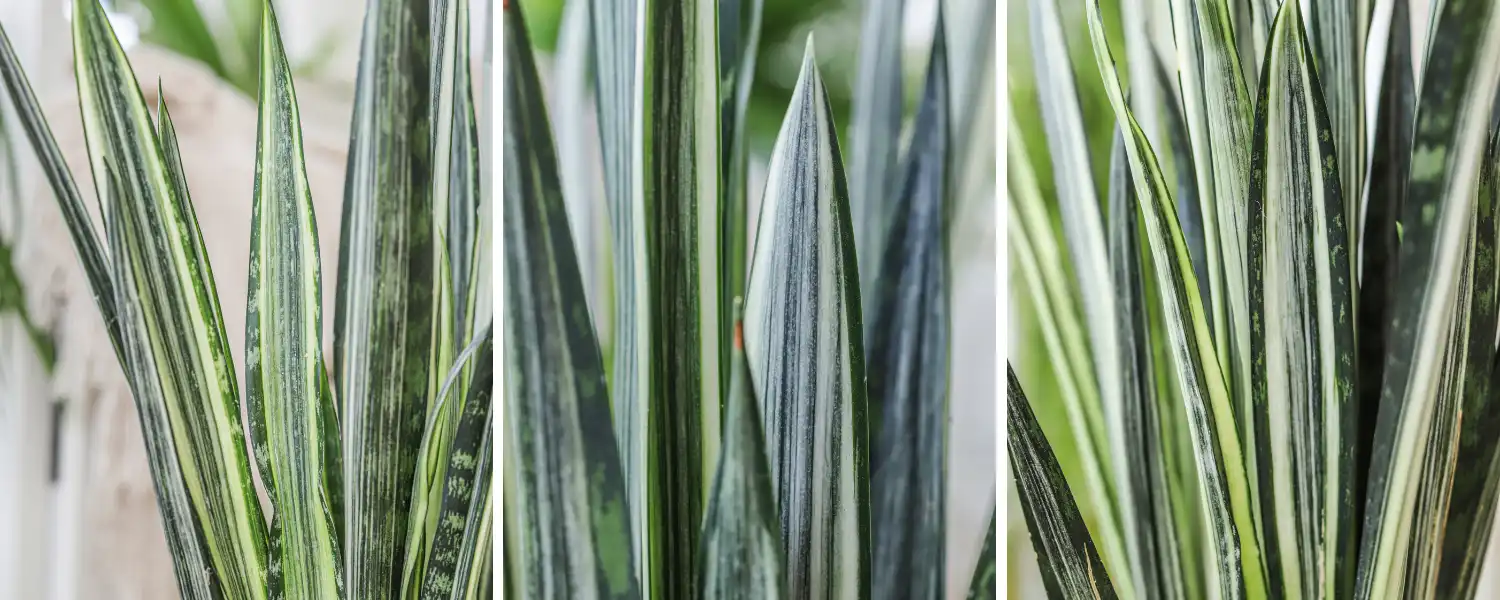
Winter is when it becomes particularly easy to overwater a snake plant.
Growth slows down, light levels are often lower, and the soil can take much longer to dry. Snake plants also rely heavily on the water stored in their leaves during this period.
You may only need to water once every 3 to 6 weeks, and a plant in a cool, dim room may go longer.
The RHS recommends reducing watering during winter and notes that sansevierias barely need water at this time unless they are kept somewhere particularly warm.
If you’re unsure, wait a few more days and check the soil again.
What Happens If You Overwater a Snake Plant?
Overwatering is one of the most common ways to damage a snake plant.
The problem isn’t simply that you gave it “too much water” one time. The bigger issue is soil staying wet for too long.
Constantly damp soil reduces air around the roots and can eventually lead to root rot.
Signs of overwatering can include:
- Yellowing leaves
- Soft or mushy leaves
- Leaves becoming weak or collapsing
- Brown or black areas near the base
- A consistently wet-smelling or soggy potting mix
- Roots that are brown, soft, or mushy
If the soil takes weeks to dry, the problem may not be your watering schedule alone. A pot that is too large, poor drainage, dense soil, or insufficient light can all contribute to slow drying.
What Happens If You Underwater a Snake Plant?
Snake plants can tolerate drought surprisingly well, so occasional underwatering is usually not a disaster.
However, a severely dehydrated plant may develop:
- Wrinkled or puckered leaves
- Leaves that feel thinner than usual
- Drooping or curling leaves
- Dry, crispy leaf edges
- Soil pulling away from the sides of the pot
If the soil has become extremely dry, water the plant thoroughly and allow the excess to drain.
There’s no need to compensate for missed watering by keeping the plant constantly wet afterward.
The Pot and Soil Matter More Than You Might Think
How often you need to water your snake plant depends partly on what it is growing in.
A snake plant should be planted in a free-draining potting mix and a container with drainage holes. The RHS recommends a well-draining cactus or succulent-style compost for sansevierias.
A large decorative pot with no drainage can hold moisture for a long time, making overwatering much easier.
The same is true of very dense potting soil.
If your snake plant is taking an extremely long time to dry out, don’t automatically assume that it simply needs less water. It may need better drainage or a more appropriate soil mix.
Should You Water a Snake Plant From the Top or Bottom?
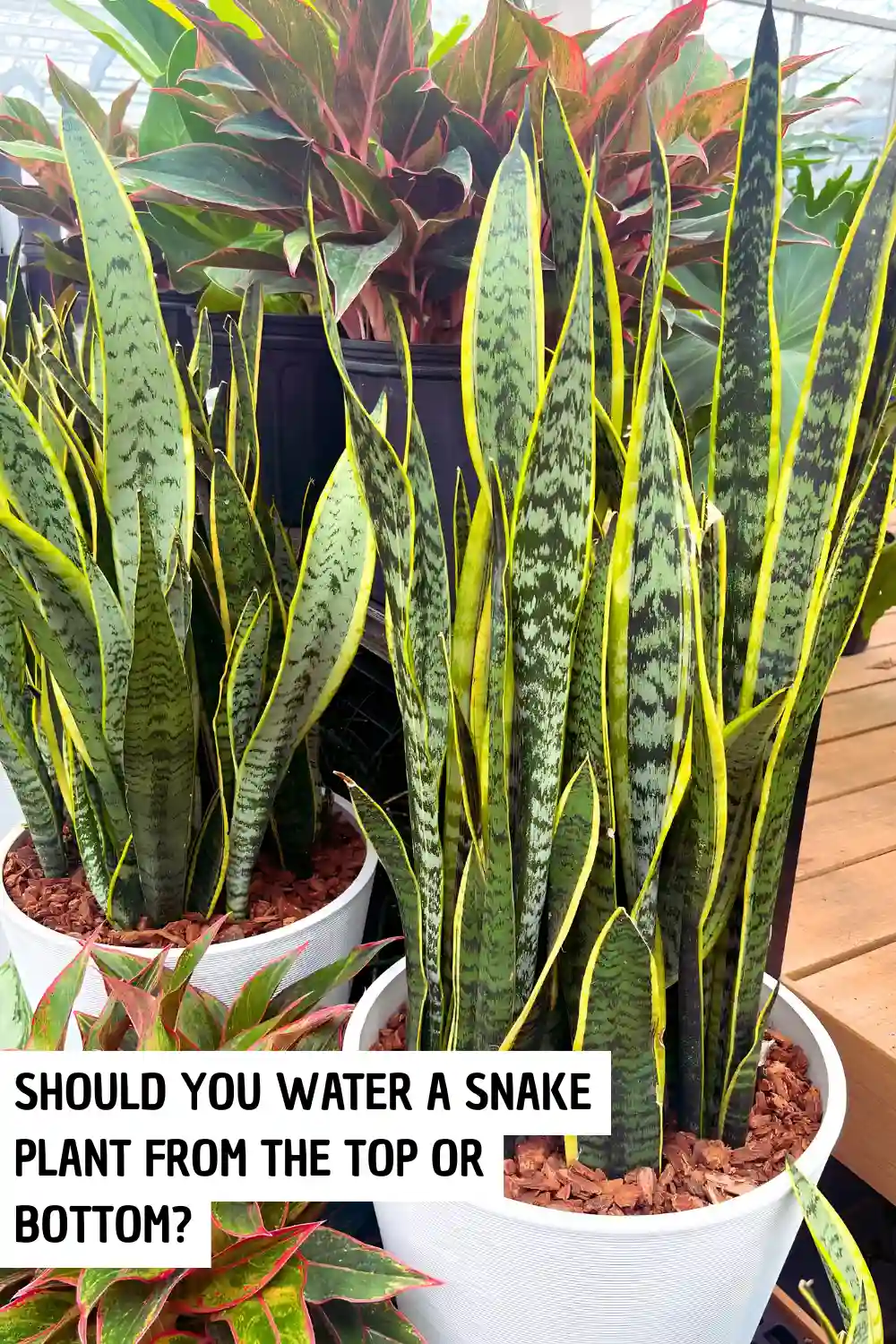
Both methods can work, but top watering is simple and effective.
Pour water slowly over the soil rather than directly into the center of the plant. Continue until excess water begins draining from the bottom of the pot.
Avoid allowing water to collect in the center of the leaf cluster.
Bottom watering can also be useful, particularly when the soil has become extremely dry and water runs straight through it. However, the important part is still the same: don’t leave the plant sitting in water afterward.
Does a Snake Plant Need More Water in Bright Light?
Usually, yes.
A snake plant receiving bright light will generally use water faster than one kept in a darker location. That doesn’t mean you need to create a fixed watering schedule based solely on its location.
Instead, use light as one of the reasons why your plant may be drying faster or slower.
For example, a snake plant in a bright room might need watering every couple of weeks, while another in a low-light corner could remain dry for several weeks.
Snake plants tolerate both bright light and lower-light conditions, although brighter locations generally encourage better growth.
The Easiest Snake Plant Watering Rule
If you only remember one thing, make it this:
Don’t water your snake plant because it’s Tuesday, because two weeks have passed, or because your other houseplants need water. Check the soil first.
When the soil is completely dry, water thoroughly.
Then let it dry out again.
That’s really all there is to it.
Snake plants are naturally adapted to periods of drought, thanks in part to their fleshy, water-storing leaves. They generally handle being forgotten better than being watered too frequently.