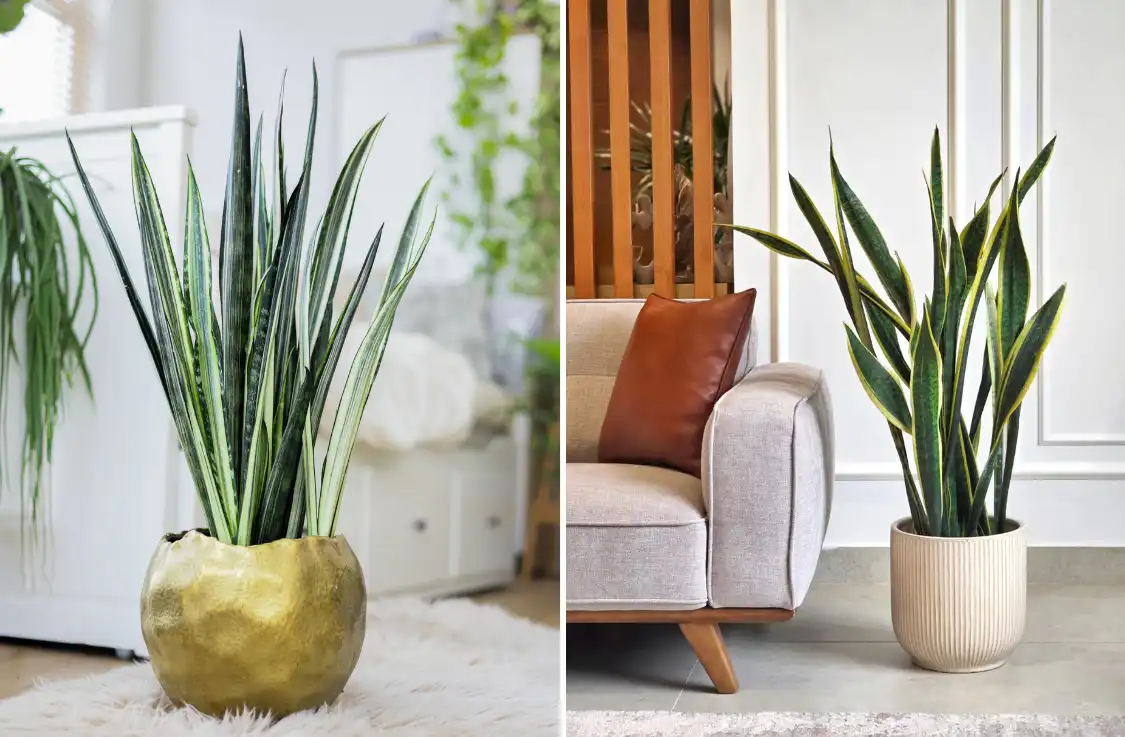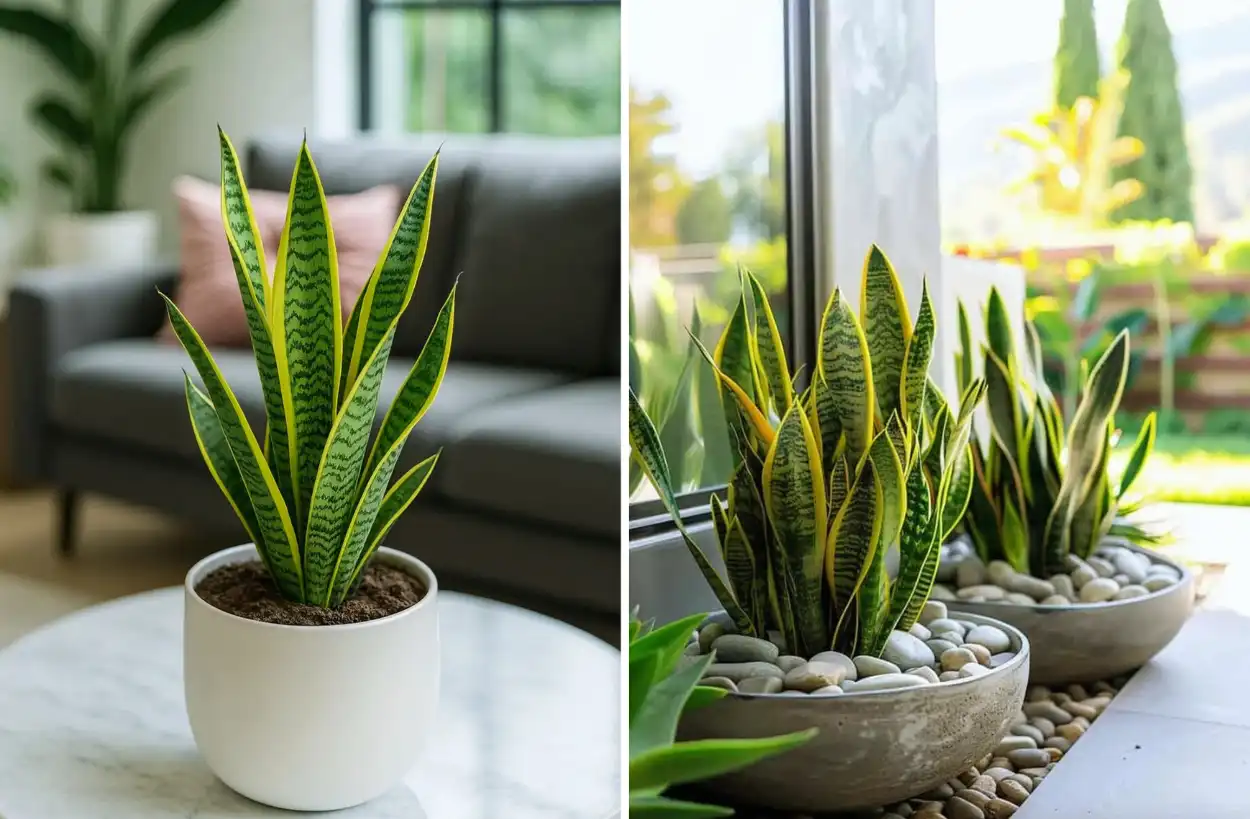
The snake plant, also known as mother-in-law’s tongue, is one of the easiest houseplants to grow indoors. Its upright, sword-shaped leaves add a clean, architectural look to almost any room, while its ability to tolerate low light and periods of drought makes it particularly forgiving if you occasionally forget about it. The plant is now botanically classified as Dracaena trifasciata, although Sansevieria trifasciata is still widely used.
Snake plants don’t need much attention, but getting a few basics right makes a big difference. The most important things are good drainage, appropriate light, and avoiding too much water.
| Snake Plant Profile | |
|---|---|
| Common Name | Snake plant, mother-in-law’s tongue |
| Botanical Name | Dracaena trifasciata |
| Former Botanical Name | Sansevieria trifasciata |
| Family | Asparagaceae |
| Plant Type | Evergreen succulent perennial |
| Mature Size | 2–4 ft. tall, depending on variety |
| Sun Exposure | Bright indirect light to low light |
| Soil Type | Well-draining |
| Watering | Allow soil to dry between waterings |
| Native Area | Tropical western Africa |
Snake Plant Care
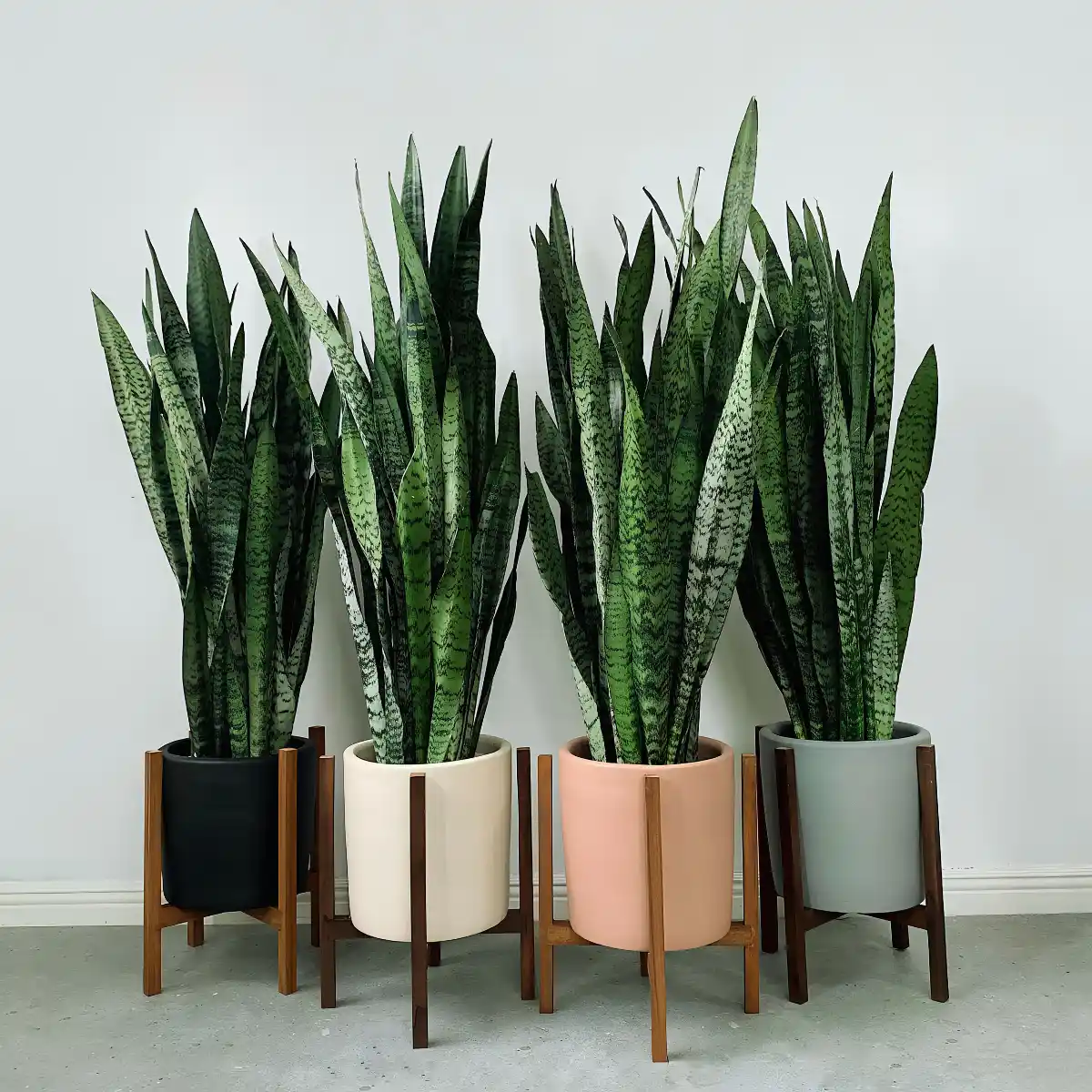
Here are the main care requirements for growing a snake plant indoors:
- Give it bright indirect light for the best growth, although it tolerates low light.
- Allow the soil to dry out thoroughly between waterings.
- Use a fast-draining potting mix and a pot with drainage holes.
- Keep it in a comfortable indoor temperature and away from cold drafts.
- Fertilize lightly during active growth.
- Don’t allow water to collect around the center of the plant.
- Repot only when the plant has outgrown its container.
Snake plants are naturally drought-tolerant because their fleshy leaves store water. They also tolerate a surprisingly wide range of indoor conditions, which is part of what makes them such dependable houseplants.
Light

Snake plants are flexible when it comes to light. They can grow in low-light areas, but bright indirect light is generally better if you want steady growth and strong-looking foliage. The Missouri Botanical Garden lists snake plants among houseplants that perform well in low-light conditions.
An east- or west-facing window can be a good location. A bright south-facing window can also work, although intense direct afternoon sunlight through glass may scorch the leaves.
If your snake plant is growing in a darker corner, don’t compensate by watering it more often. A plant receiving less light generally uses water more slowly, so its soil may stay wet for longer.
Signs Your Snake Plant Needs More Light
A snake plant can survive in low light, but you may notice:
- Very slow growth
- New leaves becoming thinner or weaker
- Variegated varieties losing some of their color
- Leaves leaning noticeably toward a window
If this happens, move the plant gradually toward a brighter location with indirect light.
Water
Overwatering is one of the easiest ways to damage a snake plant.
Allow the soil to dry completely before watering again. When it is time to water, soak the soil thoroughly until water runs from the drainage holes, then allow the excess to drain away.
There isn’t one perfect watering schedule because indoor conditions vary. A plant in bright light and a warm room may dry much faster than one sitting in a dim corner. The Missouri Botanical Garden notes that indoor watering needs depend on factors including light, temperature, humidity, and distance from windows.
As a rough guide, many snake plants can go around 2 to 3 weeks between waterings during the growing season, while they may need considerably less water in fall and winter.
The important part is to check the soil rather than watering according to a calendar.
Never leave the pot sitting in water, and avoid pouring water directly into the center of the leaf rosette. Excess moisture is a common cause of root rot.
Soil
Snake plants need soil that drains quickly.
A cactus or succulent potting mix is a good starting point because it allows excess water to move away from the roots rather than remaining trapped around them. The RHS recommends free-draining cactus compost for sansevierias.
Avoid heavy garden soil or dense potting mixes that stay wet for a long time.
Your container matters, too. Always use a pot with drainage holes. A decorative container without drainage can make it much easier to accidentally keep the roots too wet.
Temperature and Humidity
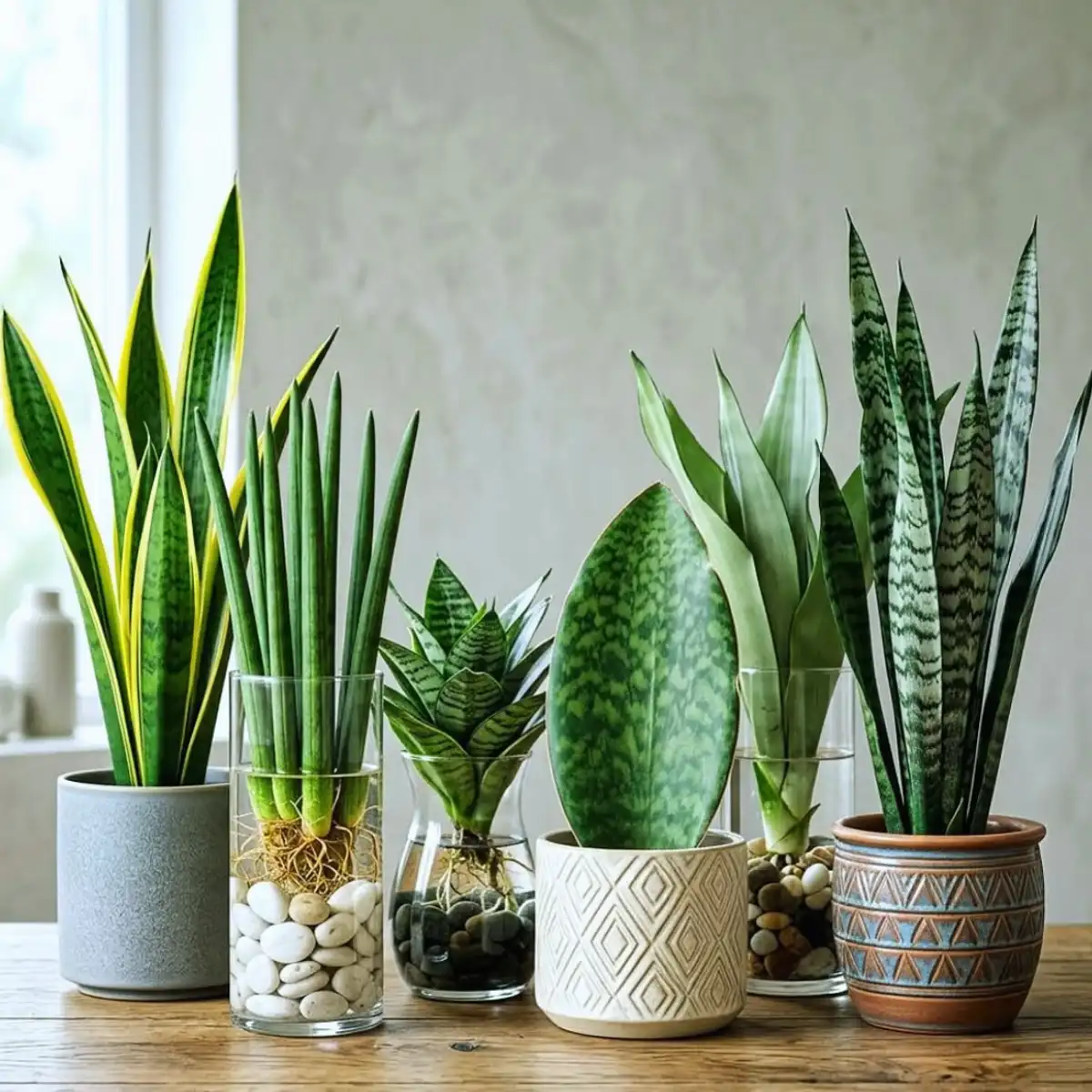
Snake plants are comfortable with typical indoor conditions and don’t require high humidity to thrive.
A normal household environment is generally fine. The RHS notes that sansevierias can handle typical home temperatures of around 60–75°F (15–24°C) and relatively low humidity.
Keep your plant away from:
- Cold drafts
- Very cold windows
- Air-conditioning vents
- Heating vents and radiators
- Sudden temperature changes
You don’t need to mist a snake plant to keep it happy. Its thick leaves are adapted to relatively dry conditions.
Fertilizer
Snake plants aren’t heavy feeders.
During spring and summer, you can use a balanced liquid houseplant fertilizer at a diluted strength according to the product instructions. Feeding once a month during active growth is generally sufficient.
There’s no need to fertilize frequently, especially if your plant is growing slowly in low light.
Reduce or stop fertilizing during fall and winter when growth naturally slows.
Potting and Repotting
Snake plants don’t mind being somewhat root-bound and usually don’t need frequent repotting.
Consider repotting when:
- Roots are growing through the drainage holes.
- The plant has become unstable or top-heavy.
- The pot is visibly crowded with roots or offsets.
- Water is passing through the pot unusually quickly.
- The plant has clearly outgrown its container.
When repotting, choose a container only slightly larger than the current one and use fresh, well-draining soil.
Don’t move a small snake plant into a huge pot just to give its roots “more room.” A much larger container holds more soil and can stay wet for longer, increasing the risk of overwatering.
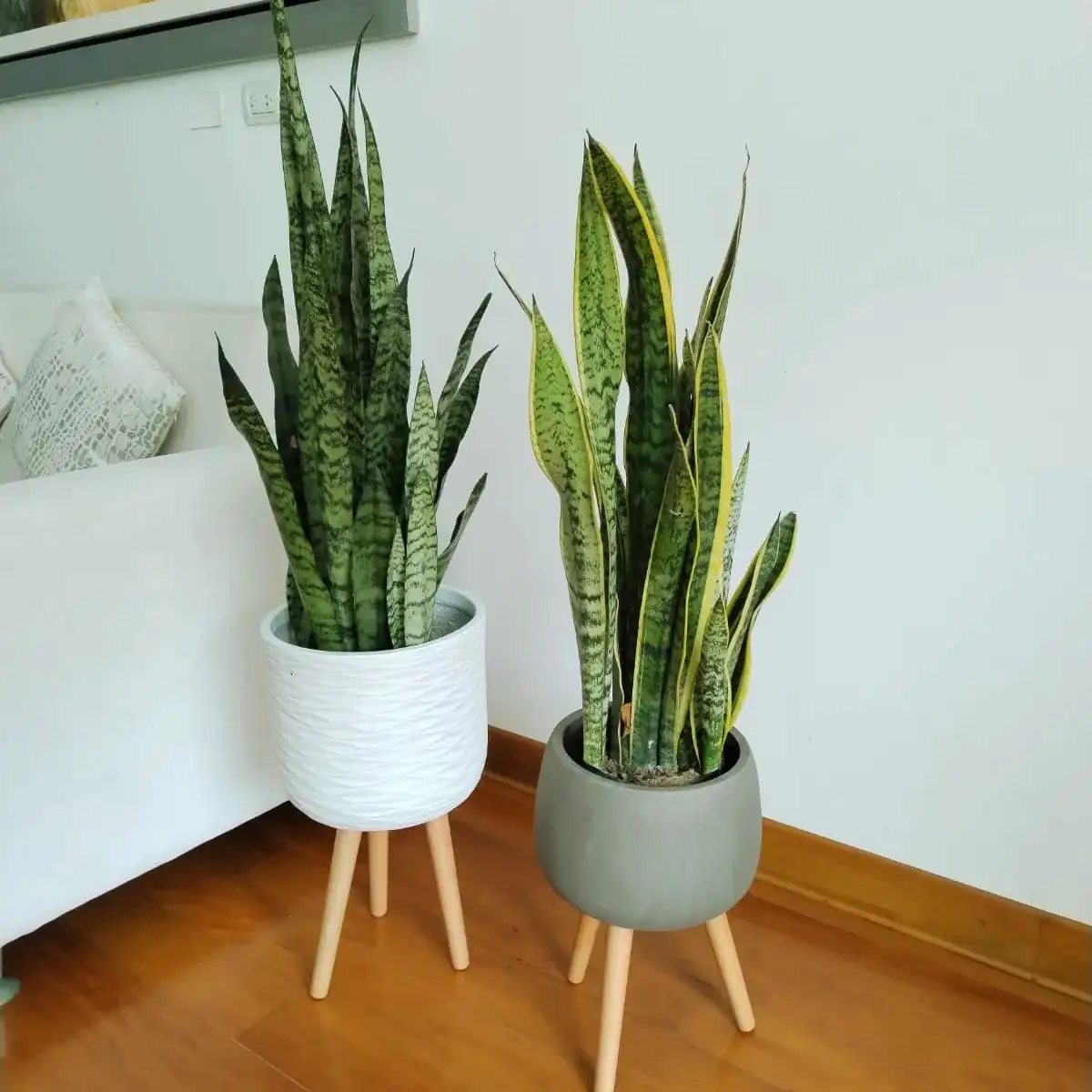
For particularly tall varieties, a wider, heavier pot can also help prevent the plant from tipping over.
Pruning
Snake plants don’t require regular pruning.
Remove individual leaves when they become damaged, yellow, or completely dried out. Use clean, sharp scissors or pruning shears and cut the leaf as close to the soil line as possible.
Avoid cutting the tips simply to make the leaves shorter. Snake plant leaves don’t regrow from a cut tip, so the trimmed edge will remain visible.
If only one section of a leaf is damaged, you can remove the damaged portion, but a clean cut at the base usually looks better.
Propagating Snake Plants
One of the fun things about growing snake plants is how easily they can produce new plants.
Mature plants often develop pups, or small shoots, around the base. These can eventually be separated and grown as individual plants.
Propagating by Division
- Remove the snake plant carefully from its pot.
- Gently brush away some of the soil around the roots.
- Look for a smaller pup connected to the main plant by roots or a rhizome.
- Separate the pup carefully using a clean knife if necessary.
- Plant the new section in a small pot filled with well-draining soil.
- Keep it in a warm location with suitable light.
- Allow the soil to dry between waterings as you would with a mature plant.
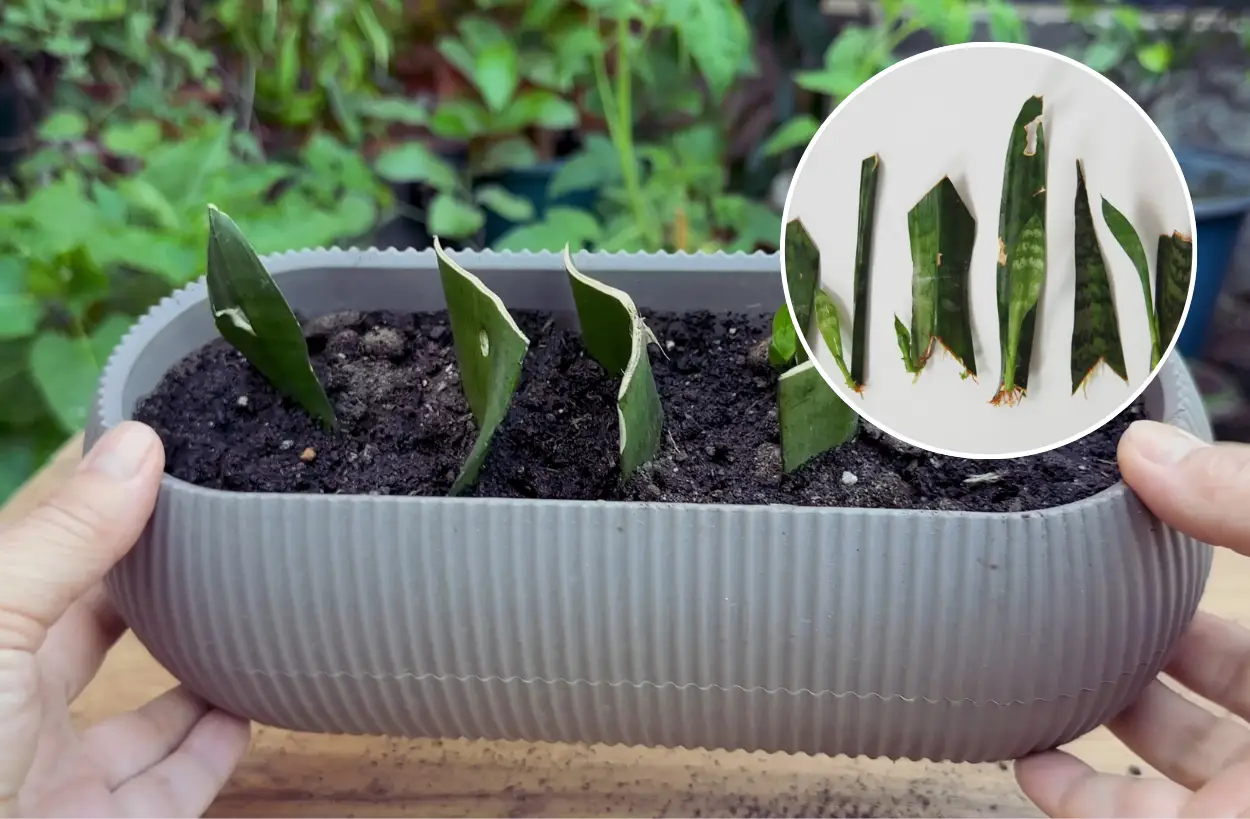
Snake plants can also be propagated from leaf cuttings, although variegated varieties may not always produce offspring with the same markings as the parent plant.
Common Pests and Diseases
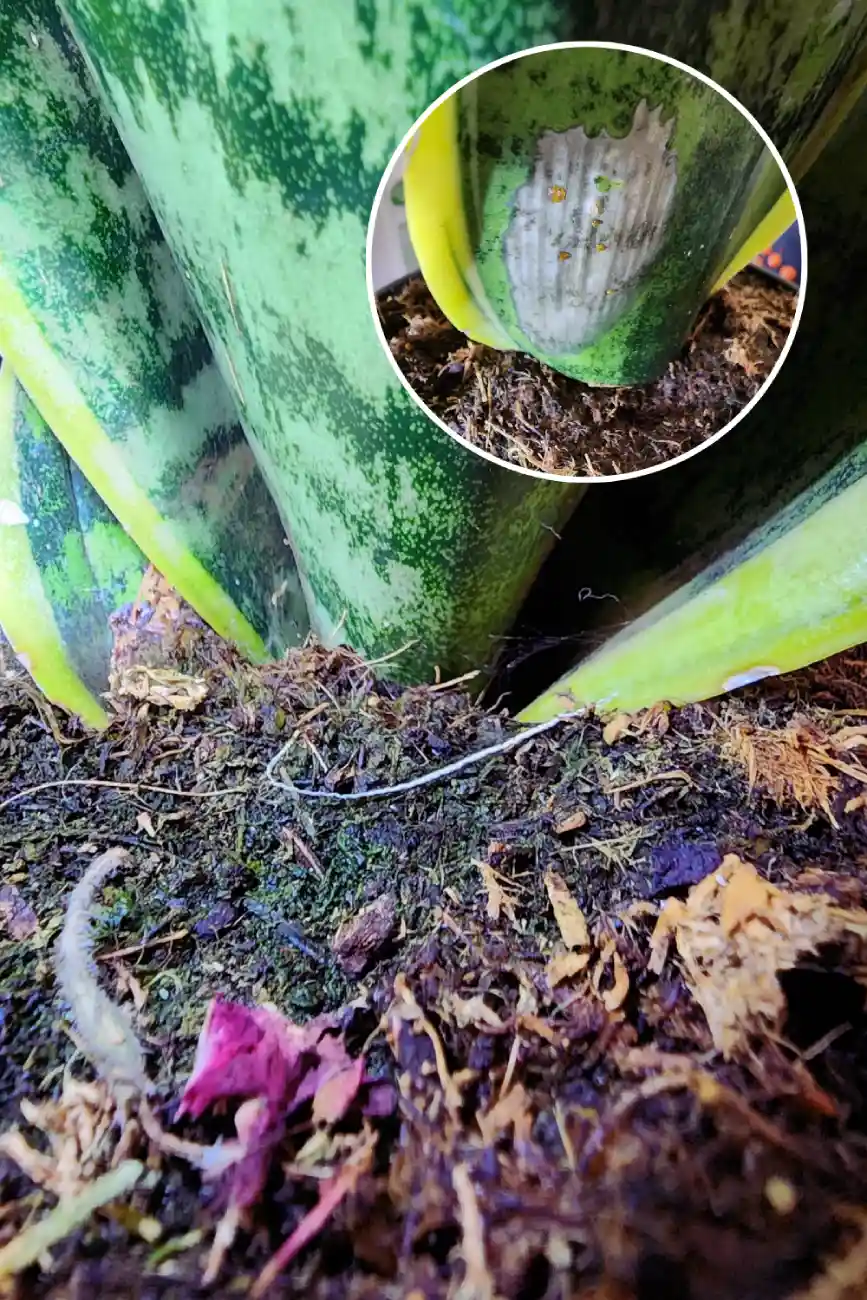
Snake plants are relatively resistant to pests, but they aren’t completely immune.
Keep an eye out for:
- Mealybugs
- Spider mites
- Scale insects
- Fungus gnats
The bigger concern is usually root rot caused by excessive moisture. Overwatering and poor drainage can leave the roots sitting in wet soil, eventually causing them to decay.
If you notice soft leaves, a foul smell from the soil, or dark and mushy roots, check the roots and soil as soon as possible.
Common Problems With Snake Plants
Snake plants are forgiving, but problems can still happen. Fortunately, the leaves often give you clues about what went wrong.
Yellow Leaves
Yellow leaves can be caused by several things, but overwatering is one of the first things to check.
Feel the soil. If it has remained wet for a long time, allow it to dry before watering again and make sure the pot has adequate drainage.
If the leaves are yellow and soft rather than firm, inspect the roots for signs of rot.
Brown Leaf Tips
Brown tips can appear when the plant has experienced stress, inconsistent watering, dry conditions, or other environmental issues.
Start by checking the soil and the plant’s location. Make sure it isn’t sitting directly against a hot radiator or exposed to harsh sunlight.
Soft or Mushy Leaves
Soft leaves are usually more concerning than slightly wrinkled ones.
Check the soil immediately. If it is very wet, overwatering or poor drainage may be responsible.
Snake plants store water in their leaves, so consistently wet roots are often a bigger problem than allowing the plant to become slightly dry.
Leaves Are Curling
Curling or wrinkled leaves can indicate that the plant is short on water, particularly if the soil is completely dry.
Check the soil several inches below the surface. If it is bone dry, give the plant a thorough watering and allow the excess to drain.
If the soil is already wet, don’t add more water. Look for another cause instead.
Snake Plant Is Leaning
A snake plant may lean because it isn’t receiving enough light, has become top-heavy, or is growing in a lightweight pot.
Move it toward brighter indirect light and rotate the container occasionally so growth remains more balanced.
For tall varieties, a heavier or wider container can also provide better stability.
How to Keep a Snake Plant Healthy Indoors
Snake plants don’t need a complicated routine. In fact, doing less is often better than doing more.
Give the plant enough light to grow, use well-draining soil, and let the soil dry before watering again. Avoid constantly moving it around the house, overfertilizing, or watering simply because several days have passed.
A healthy snake plant can remain attractive for years with surprisingly little attention.
If you’re new to houseplants, it’s one of the easiest plants to start with.